
Engineered Hardwood at TRD Floor Supplies in North Charleston: Authentic Natural Wood with Multi-Ply Core Strength
Descubra o piso de madeira engenheirada na TRD Floor Supplies em North Charleston: beleza natural autêntica com resistência multi-ply. Qualidade e durabilidade!
Sumário do artigo
- Anatomical Structure: Cross-Laminated Cores vs. Solid Timber Dynamics
- The Engineering of Multi-Ply Structural Cores
- Lamella Production Methods: Sawn, Sliced, and Rotary Cut
- Dry-Sawn Veneers (Thick Architectural Cuts)
- Sliced and Rotary Cut Veneers
- Wood Species Selection for Coastal South Carolina
- White Oak (Quercus alba)
- American Hickory (Carya ovata)
- Subfloor Preparation and Installation Methodology
- Subfloor Moisture Testing Protocols
- The Full-Trowel Direct Glue-Down Method
- Subfloor Flatness Standards
- Surface Finishes: UV-Cured Urethane vs. Natural Penetrating Oils
- Factory UV-Cured Urethane with Aluminum Oxide
- Natural Hardwax and Penetrating Oils
- Environmental Acclimation and Long-Term Maintenance
- Indoor Climate Regulation
- Safe Cleaning Practices
- Frequently Asked Questions (FAQ)
- Why is engineered hardwood at TRD Floor Supplies in North Charleston a safer investment for coastal homes than solid hardwood?
- Can engineered hardwood flooring be glued directly to a concrete slab in the Lowcountry?
- Can engineered hardwood planks be sanded and refinished in the future?
- What is the advantage of a sawn lamella compared to a rotary-peeled veneer?
- How do I protect engineered wood flooring from fine beach sand tracked into the home?
Coastal architectural traditions throughout the South Carolina Lowcountry place substantial value on the natural texture, character, and visual depth of authentic hardwood flooring. From historic historic residences in downtown Charleston to expansive waterfront developments across Daniel Island, Mount Pleasant, and Kiawah Island, wide-plank wood surfaces remain an enduring aesthetic standard. However, the environmental realities of the coastal Southeast—characterized by sustained ambient humidity, high outdoor dew points, elevated coastal groundwater, and frequent seasonal rain events—subject organic construction materials to continuous physical expansion and contraction.
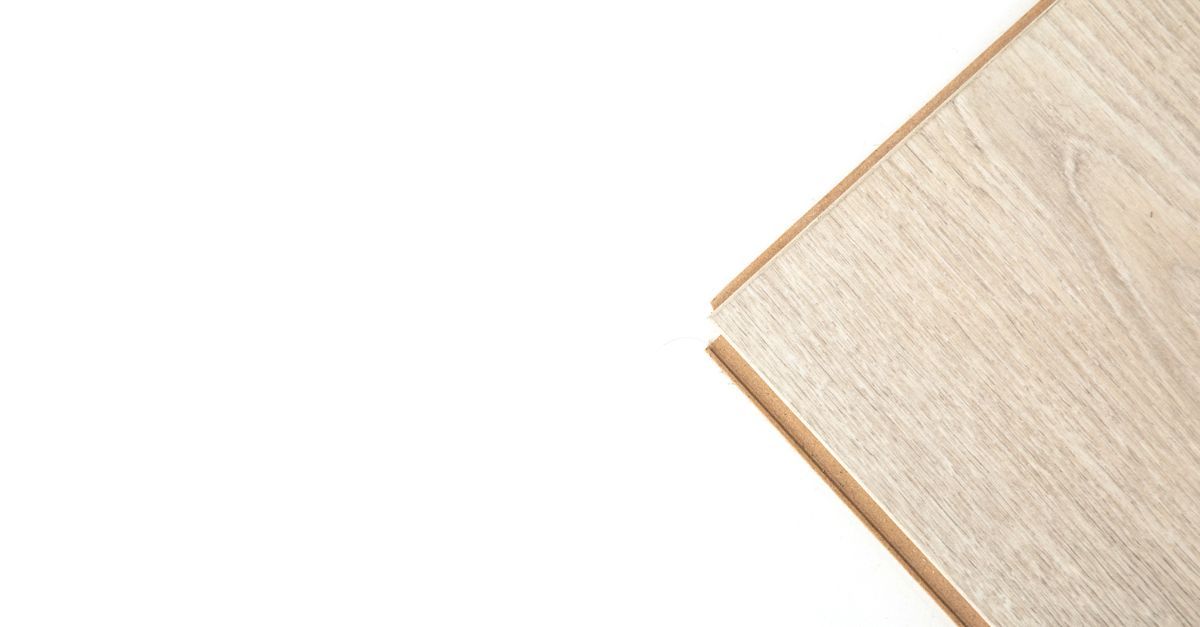
Under these regional atmospheric pressures, traditional solid lumber often exhibits structural movement, including edge cupping, crowning, longitudinal buckling, and permanent seam separation. Sourcing engineered hardwood at TRD Floor Supplies in North Charleston provides a technically balanced alternative. By fusing a genuine hardwood wear layer (lamella) with cross-laminated structural plies, engineered planks deliver the authentic visual and tactile character of solid lumber while suppressing dimensional changes caused by moisture.
This technical guide examines the core mechanics, wear layer cuts, species options, subfloor installation methods, and long-term maintenance protocols that govern high-performance engineered wood flooring throughout coastal South Carolina.
Anatomical Structure: Cross-Laminated Cores vs. Solid Timber Dynamics
Solid wood is an anisotropic material; its physical dimensions expand and contract unevenly depending on grain direction when absorbing or releasing ambient atmospheric moisture. Tangential movement (across the growth rings) is often twice as great as radial movement, causing unconstrained solid boards to warp, curl, or pull away from fasteners when exposed to Charleston’s humid climate.
+-------------------------------------------------------------------------+
|                  ENGINEERED HARDWOOD STRUCTURAL STACK                   |
+-------------------------------------------------------------------------+
| [ Top Layer ]       -> Sawn Hardwood Lamella (2mm - 6mm Solid Species)  |
| [ Adhesive Line ]   -> High-Strength Cross-Linking PVA / Polyurethane   |
| [ Core Substrate ]  -> 7 to 11 Plies of Cross-Grained Baltic Birch/HDF  |
| [ Backing Veneer ]  -> Balancing Hardwood Layer to Neutralize Tension   |
+-------------------------------------------------------------------------+
The Engineering of Multi-Ply Structural Cores
Engineered hardwood counteracts natural timber expansion through layered mechanical constraint:
- Perpendicular Grain Alignment: The substrate beneath the face veneer consists of multiple thin sheets of hardwood veneer (most commonly Baltic birch or dense eucalyptus). Each adjacent layer is positioned perpendicularly at a 90-degree angle to the grain direction of the layer above and below it.
- Tension Equalization: Because wood expands primarily across its grain rather than along its length, perpendicular plies physically restrict one another. When environmental humidity increases, one layer’s tendency to swell laterally is counteracted by the longitudinal strength of the adjacent layers.
- Balanced Backing Layer: A bottom backing veneer of matching density and thickness balances the structural stack. This symmetrical construction prevents the plank from curling under directional humidity changes, such as moisture rising from a damp subfloor.
+-----------------------------------------------------------------------------------------+
|                         SOLID VS. MULTI-PLY ENGINEERED PERFORMANCE                      |
+--------------------------+-----------------------+------------------+-------------------+
| Mechanical Property      | Solid White Oak (3/4")| 9-Ply Engineered | Field Difference  |
+--------------------------+-----------------------+------------------+-------------------+
| Dimensional Movement     | High (Anisotropic)    | Extremely Low    | Resists Cupping   |
| Concrete Slab Use        | Prohibited / High Risk| Approved         | Installs Anywhere |
| Maximum Plank Width      | Typically 3" to 5"    | Up to 8.5" to 10"| Modern Wide-Plank |
| Acclimation Timeline     | 7 - 14 Days           | 3 - 5 Days       | Faster Schedules  |
| Below-Grade Performance  | Unacceptable          | Fully Functional | Finished Basements|
+--------------------------+-----------------------+------------------+-------------------+
Lamella Production Methods: Sawn, Sliced, and Rotary Cut
The visual authenticity, structural integrity, and long-term refinishing capacity of an engineered plank depend directly on how the decorative face layer—the lamella—is cut from the raw log.
     [ Dry-Sawn Lamella ]                 [ Rotary-Peeled Lamella ]
     +-------------------+                 +-----------------------+
     | Heavy Solid Slab  |                 | Unrolled Log Sheet    |
     | Natural Lumber Cut|                 | Plywood-Like Grain    |
     | Thickness: 3-6 mm |                 | Thickness: 1-2 mm     |
     +-------------------+                 +-----------------------+
Dry-Sawn Veneers (Thick Architectural Cuts)
Dry-sawn manufacturing slices the top lamella directly from seasoned timber cants using fine band saws, identical to how traditional solid boards are sawn:
- Visual Character: Preserves the natural wood structure, including cathedral grain arches, rays, medullary flecks, and natural growth rings.
- Thickness Range: Typically spans from 3 mm up to 6 mm. A 4 mm to 6 mm sawn lamella matches the usable sandable wood thickness found above the tongue-and-groove joint of a standard 3/4-inch solid plank.
- Refinishing Potential: Heavy sawn layers can be sanded and refinished multiple times over decades, offering the service lifespan of solid timber paired with the dimensional stability of an engineered core.
Sliced and Rotary Cut Veneers
Alternative veneer manufacturing techniques prioritize volume yield from raw logs:
- Sliced Veneer (Flat Sliced): Hardwood logs are softened in hot water and sliced horizontally with a heavy knife blade. Slicing replicates natural flat-sawn grain patterns but results in a thinner face layer (typically 1.5 mm to 2.5 mm).
- Rotary-Peeled Veneer: The conditioned log is mounted on a high-speed industrial lathe and turned against a continuous blade, unrolling a thin wood ribbon similar to paper towel manufacturing. While cost-effective, rotary peeling creates exaggerated, wild grain patterns resembling structural plywood and introduces micro-fissures along the back of the veneer that can cause surface checking in dry, air-conditioned interiors.
Collections of engineered hardwood at TRD Floor Supplies in North Charleston prioritize premium dry-sawn architectural lamellas, ensuring that installations display natural wood grain while offering long-term sand-and-refinish longevity.
Wood Species Selection for Coastal South Carolina
Choosing wood species for Lowcountry homes requires balancing natural visual tones against raw material hardness and moisture tolerance. Hardness is evaluated using the standardized Janka Hardness Scale, which measures the force required to embed a 0.444-inch steel ball halfway into a wood sample.
+-----------------------------------------------------------------------------------------+
|                                  JANKA HARDNESS SCALE                                   |
+--------------------+------------------------+-------------------------------------------+
| Wood Species       | Janka Rating (lbf)     | Coastal Lowcountry Suitability            |
+--------------------+------------------------+-------------------------------------------+
| American Walnut    | 1,010 lbf              | Moderate; best for low-traffic living     |
| Black Cherry       | 950 lbf                | Soft; prone to high heel & pet indentation|
| White Oak          | 1,360 lbf              | Exceptional; industry standard stability  |
| Red Oak            | 1,290 lbf              | High; distinct open grain and porous pores|
| Hard Sugar Maple   | 1,450 lbf              | Dense; light grain, sensitive to humidity |
| American Hickory   | 1,820 lbf              | Extreme; ideal for heavy pets & beach sand|
+--------------------+------------------------+-------------------------------------------+
White Oak (Quercus alba)
White Oak serves as the baseline benchmark for coastal residential installations:
- Tyloses in Vascular Structure: Unlike Red Oak, which contains porous, open vascular tubes, White Oak heartwood contains microscopic outgrowths called tyloses. These cellular dams block the wood’s vascular pores, creating high natural resistance to liquid penetration and decay.
- Tannic Acid Reactivity: High natural tannin concentrations make White Oak an adaptable canvas for specialized reactive stain techniques, smoking, and custom wire-brushed finishes, producing modern European pale, raw, and greige color profiles without orange undertones.
American Hickory (Carya ovata)
For active households with large pets, heavy foot traffic, or continuous sand track-in, Hickory provides superior mechanical protection:
- Impact Resistance: Registering 1,820 lbf on the Janka scale, Hickory is roughly 34% harder than standard White Oak, resisting denting from dropped objects, moving furniture legs, and pet claws.
- Visual Contrast: Naturally displays high color variation between pale cream sapwood and dark brown heartwood, creating a distinct, organic aesthetic across wide-plank profiles.
Subfloor Preparation and Installation Methodology
The long-term performance of engineered hardwood at TRD Floor Supplies in North Charleston depends on proper subfloor preparation. Engineered wood can be installed via three primary methods: direct glue-down, mechanical fastening (nail/cleat with glue assist), or floating.
       [ Substrate Verification ]
                   |
     +-------------+-------------+
     |                           |
[ Concrete Slab Preparation ] [ Wood Subfloor Assessment ]
     |                           |
(ASTM F2170 Relative Humidity)  (Fastener Inspection / Plywood Flat)
     |                           |
[ Moisture Vapor Barrier ]     [ 15# Felt / Breathable Underlayment ]
     |                           |
     +-------------+-------------+
                   |
       [ Direct Chemical Bonding ]
                   |
  (Modified Silane Polymer Full Trowel)
Subfloor Moisture Testing Protocols
Concrete slabs in the greater Charleston area are subject to capillary action and moisture migration from high water tables. Installing hardwood over unverified concrete introduces risks of adhesive failure, plank swelling, and wood warping.
- In-Situ RH Probe Testing (ASTM F2170): Contractors must drill holes into the concrete to measure internal relative humidity using electronic probes. Readings over 75% to 80% RH require an integrated moisture remediation membrane.
- Moisture Vapor Emission Rate (ASTM F1869): Quantitative calcium chloride testing confirms how many pounds of water vapor emit from a 1,000-square-foot slab over 24 hours.
- Wood Subfloor Moisture Content (MC): Installers must use pin-style or pinless resistance meters to verify the moisture content of both the plywood subfloor and the engineered wood planks. According to National Wood Flooring Association (NWFA) standards, the moisture content differential between the subfloor and engineered planks must not exceed 4% for boards wider than 3 inches.
The Full-Trowel Direct Glue-Down Method
The industry standard for installing wide-plank engineered flooring over concrete slabs is direct elastomeric adhesion:
- Modified Silane Polymers (MSP): Modern silane-cured adhesives contain zero water, solvents, or isocyanates. They cure via atmospheric moisture reaction, forming a strong elastomeric bond that retains structural flexibility.
- Acoustic and Moisture Combination: High-performance MSP adhesives function as an all-in-one system: when applied with a specialized notched trowel, the continuous chemical bed creates a built-in moisture vapor barrier and sound-deadening membrane, attenuating impact sound transmission (IIC) in multi-story spaces.
Subfloor Flatness Standards
Because wide-plank engineered boards are structurally rigid, an uneven subfloor creates hollow spots, vertical board movement, and audible floor squeaks:
- Flatness Benchmark: The subfloor must be flat within 3/16 inch over a 10-foot radius, or 1/8 inch over a 6-foot radius.
- Surface Remediation: Concrete high spots must be ground smooth using a diamond cup grinder, and dips filled with a rapid-setting, cementitious leveling compound. On wooden subfloors, loose plywood sheets must be secured directly into the joists using coated structural screws.
Surface Finishes: UV-Cured Urethane vs. Natural Penetrating Oils
The chemical makeup of the factory finish directly affects how the floor withstands abrasive coastal beach sand, direct ultraviolet sunlight, and everyday household spills.
+-----------------------------------------------------------------------------------------+
|                                SURFACE FINISH COMPARISON                                |
+--------------------------+-----------------------+------------------+-------------------+
| Parameter                | UV-Cured Urethane     | Hardwax Oil      | Traditional Poly  |
+--------------------------+-----------------------+------------------+-------------------+
| Abrasion Layer Location  | Top Surface Film      | Inside Wood Pore | Top Surface Film  |
| Aluminum Oxide Additives | Yes (Suspended Matrix)| No               | Rare              |
| Scratch Appearance       | White/Hazy Scuff Line | Blended / Matte  | White Scuff Line  |
| Spot Repair Capability   | Difficult (Board Swap)| Simple (Buff-In) | Difficult (Sand)  |
| Periodic Re-Oiling       | Not Required          | Required (1-3 yr)| Not Required      |
| Water Spill Resistance   | High Topical Hold     | Moderate Hold    | High Topical Hold |
+--------------------------+-----------------------+------------------+-------------------+
Factory UV-Cured Urethane with Aluminum Oxide
Most collections distributed through TRD Floor Supplies in North Charleston feature factory-applied UV-cured urethane finishes:
- Microscopic Particle Matrix: The liquid polyurethane contains microscopic aluminum oxide ($Al_2O_3$) ceramic particles. Under ultraviolet curing lamps, the coating polymerizes into an abrasion-resistant clear layer.
- Protection Against Beach Sand: The suspended ceramic particles shield the underlying wood pores from the abrasive grinding of fine quartz beach sand tracked in from Lowcountry barrier islands.
- Ultra-Matte Visuals: Advanced UV formulations cure to a low sheen (under 10 to 15 gloss units), replicating the velvety appearance of natural oil without requiring recurrent oil reapplications.
Natural Hardwax and Penetrating Oils
For spaces where spot-repairability and organic open-grain aesthetics are prioritized:
- Pore Saturation: Plant-based vegetable oils and carnauba waxes penetrate into the wood fiber cells, hardening internally rather than forming a topical plastic barrier over the surface.
- Spot Repair Efficiency: Minor scratches or high-traffic pathways can be spot-cleaned, buffed, and re-oiled without stripping the entire room or removing baseboards.
Environmental Acclimation and Long-Term Maintenance
Proper acclimation and consistent HVAC control are essential for preserving high-grade engineered wood installations throughout coastal South Carolina.
+-------------------------------------------------------------------------+
|                  SITE ACCLIMATION & CLIMATE PROTOCOL                    |
+-------------------------------------------------------------------------+
| [1] HVAC Operation: Systems active for a minimum of 5 days prior.       |
| [2] Temperature Band: Fully conditioned between 65°F and 75°F.          |
| [3] Humidity Control: Interior Relative Humidity kept at 35% to 55%.    |
| [4] Material Storage: Cartons cross-stacked flat; do not lean on walls. |
+-------------------------------------------------------------------------+
Indoor Climate Regulation
While multi-ply cross-laminated cores significantly reduce lateral wood movement, natural timber lamellas remain sensitive to severe relative humidity extremes:
- The 35% to 55% RH Rule: Indoor heating and air conditioning systems must maintain indoor relative humidity between 35% and 55% year-round.
- Managing Winter Heating Swings: Winter cold snaps that drop indoor relative humidity below 30% can cause dry-sawn face veneers to shrink faster than the cross-ply core can adjust, resulting in edge checking or micro-fracturing along the grain. Using whole-home humidification or central HVAC monitoring prevents dry-season wood shrinkage.
Safe Cleaning Practices
Preserving factory coatings requires simple, non-abrasive cleaning routines:
- Daily Sand Dusting: Use dry microfiber dusting mops across high-traffic hallways to remove loose sand particles before they are pressed into the wood by foot traffic.
- Vacuum Standards: Use bare-floor canisters or upright vacuums equipped with soft felt attachments. Rotating plastic beater bars must be deactivated to prevent surface denting and scratches.
- pH-Neutral Formulations: Lightly mist a pH-neutral hardwood floor cleaner onto a clean microfiber pad. Never use full buckets of water, steam cleaners, ammonia, vinegar, or oil soaps. Saturated mops can force moisture into the tongue-and-groove seams, causing veneer swelling and edge discoloration.
Frequently Asked Questions (FAQ)
Why is engineered hardwood at TRD Floor Supplies in North Charleston a safer investment for coastal homes than solid hardwood?
Solid hardwood is an unconstrained organic material that expands across its growth rings, causing it to cup, buckle, and crown under Charleston’s persistent subtropical humidity and crawl space vapor. Engineered hardwood features a cross-laminated core of multi-ply birch veneers running perpendicular to one another. This layered structure neutralizes lateral movement, keeping boards flat and stable over changing seasons.
Can engineered hardwood flooring be glued directly to a concrete slab in the Lowcountry?
Yes. Unlike solid hardwood, high-grade engineered hardwood can be installed directly over concrete slabs on grade or below grade. The installation requires verifying slab moisture using ASTM F2170 relative humidity probes and applying a continuous trowel bed of modified silane polymer (MSP) adhesive, which creates a waterproof bond and sound barrier.
Can engineered hardwood planks be sanded and refinished in the future?
Yes, depending on the thickness of the top lamella. Engineered boards with a heavy dry-sawn wear layer measuring between 3 mm and 6 mm can typically be sanded and refinished two to four times over their operational lifespan, matching the longevity of traditional solid timber.
What is the advantage of a sawn lamella compared to a rotary-peeled veneer?
A sawn lamella is cut directly from seasoned timber cants, preserving the natural grain patterns, rays, and depth of authentic lumber. Rotary-peeled veneers are shaved in continuous ribbons off a spinning wet log; this process stresses the wood fibers, can lead to surface checking, and produces wide grain patterns that resemble structural plywood.
How do I protect engineered wood flooring from fine beach sand tracked into the home?
Place heavy, non-rubberized natural coir mats at all exterior entryways to capture sand grit before it enters living areas. Sweep or vacuum high-traffic spaces regularly using soft-bristled, bare-floor attachments, and select planks prefinished with UV-cured urethane reinforced with aluminum oxide micro-particles, which resist abrasive surface wear.
Você também pode gostar
 Organização
Como escolher o box ideal para seu banheiro pequeno?
Descubra dicas práticas para escolher o box ideal para seu banheiro pequeno, unindo estilo, funcionalidade e economia de espaço. Confira!
 Organização
Como contratar locação de caçambas para sua construção
Saiba como contratar locação de caçambas para sua construção de forma prática, segura e econômica. Dicas essenciais para evitar erros e otimizar seu projeto!
 Organização
Painters in Summerville, SC: Surface Preparation Protocols, Moisture Defense, and Full Residential Repaints
Experts in Summerville, SC painting: surface prep, moisture defense, and full residential repaints for flawless, long-lasting results.